We inherit many things from our
parents. In the process of growing up, we learn to speak their language. We
mimic their actions, striving to become like them. We gain this folk knowledge
from our parents without needing to be taught explicitly. We simply learn from
their example. Perhaps most importantly, we construct our beliefs according the
values taught by our parents. Without question, we accept the religion of our
fathers. It’s only after we are grown and we enter a larger world that we
realize the variety of religious options that exist. Worldwide there are
hundreds of religions that have been preserved throughout the years by oral
tradition. Arguably, these religions have thrived only because they have been
passed down orally. In fact, oral knowledge has had a more powerful effect upon
spirituality and religious practice than any other type of knowledge.
"All the lessons of history in four sentences: Whom the gods would destroy, they first make mad with power. The mills of God grind slowly, but they grind exceedingly small. The bee fertilizes the flower it robs. When it is dark enough, you can see the stars." Charles A. Beard
Showing posts with label Jake Terry. Show all posts
Wednesday, December 14, 2011
Tuesday, December 13, 2011
And So It Ends
Folk Knowledge
Self-Directed Learning:
For me, folk knowledge is anything that is learned outside of the classroom. I focused my initial studies on symbols and their meanings. I noticed that the culture greatly influenced a person's understanding of symbols. Also, I learned to knit. Something that I never expected to learn to do. In fact, my roommates were quite shocked when they found me sitting at my desk with the purple knitting needles in hand. (maybe they were even more shocked by the "lengthy" scarf at the end of the needles.)
Tuesday, December 6, 2011
Wednesday, November 23, 2011
Miles of Aisles
Today I found myself dancing down the library aisles rocking out to my iPod while searching for literature on the history of books. I spent a few hours wandering the shelves searching for the perfect resources. It was quite the adventure!
Tuesday, November 8, 2011
Palm Fronds
| Colombia University is trying to identify this text. |
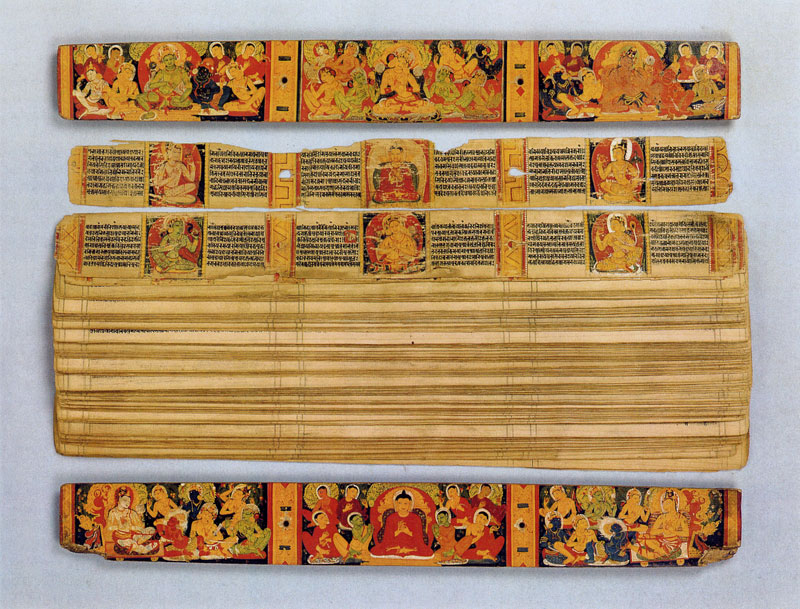
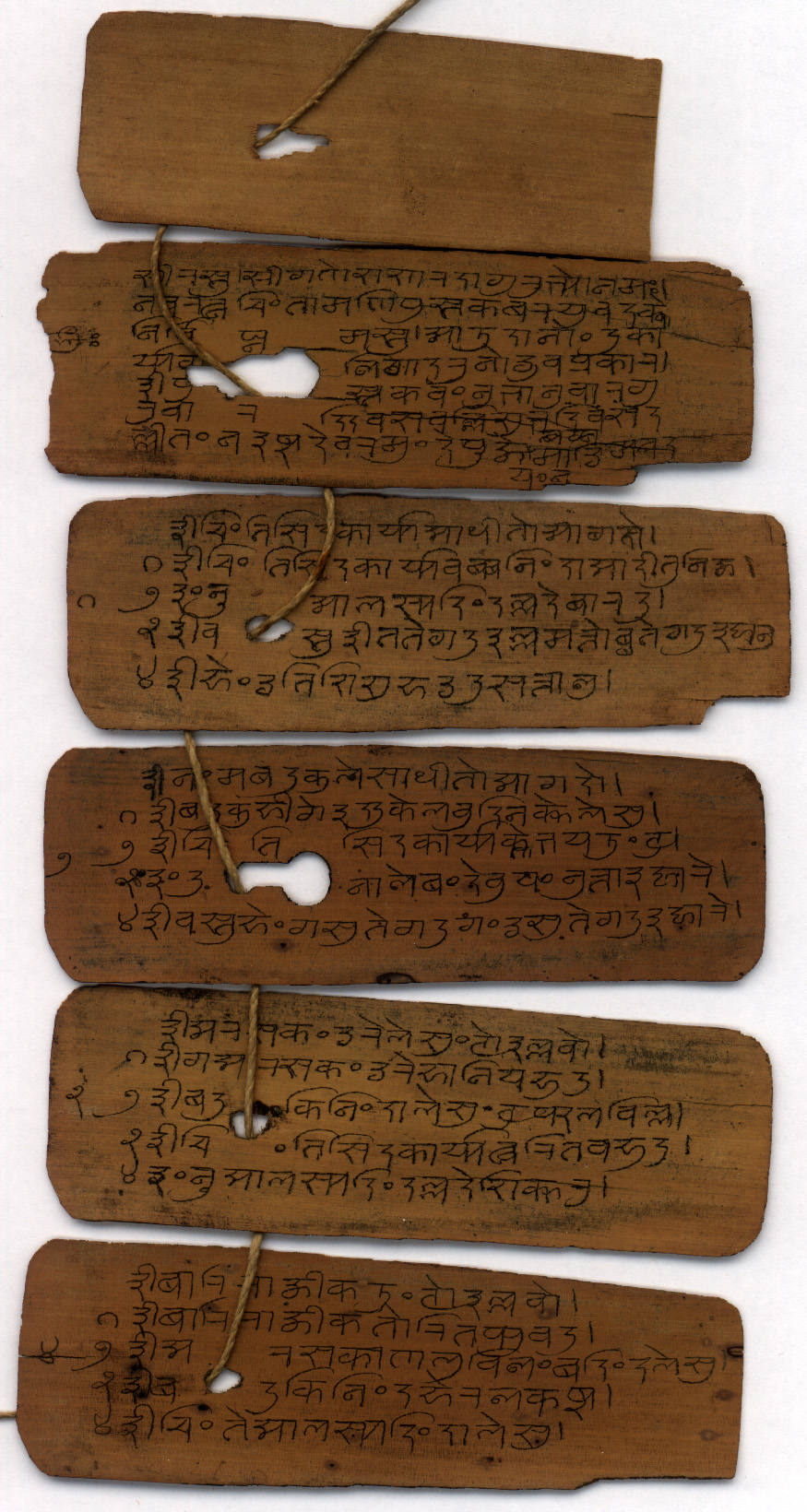
Unfortunately, these beautiful books decay rapidly. We have very few surviving copies of palm frond books and those that we have really aren't all that old. Some of them remain untranslated. Colombia University has requested help online to identify and translate an old text written on palm fronds. Even today it is hard to translate some of these old languages because they simply are no longer in use. We lament the loss of these wonderfully crafted texts. I suppose that palm book making has been abandoned because of their short shelf life and the difficulty of making them.
Tuesday, November 1, 2011
Maps: Shrinking the World
With the advent of writing, the world suddenly got a lot
smaller. People no longer depended on first-hand experience or word of mouth to
know about far away places. People depended on maps.
Tuesday, October 18, 2011
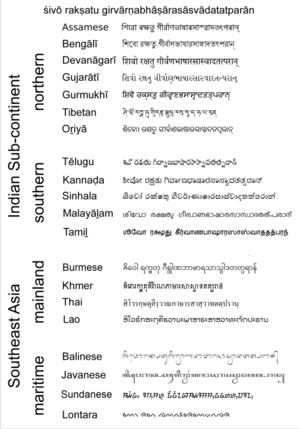
Sanskrit: The Priestly Tongue
Tuesday, October 4, 2011
Law and Religion - Indivisible in India
Last week I posted about my findings while reading from the
Mahabharata, an ancient epic poem written in India that contains key beliefs of
the Hindu culture. I dedicated this week to reading from the Bhagavad-Gita, a sacred scripture taken
from the Mahabharata that is so important to Hinduism that it is often treated
as a free standing text. The poem recounts a conversation between Lord Krishna
(later revealed to be the Supreme Being himself) and a prince named Arjuna who
questions the war he’s fighting against his own cousins. As they stand on the
battlefield with both sides ready for conflict, Lord Krishna (often referred to
simply as “the Lord”) teaches Arjuna his duties as a warrior in the caste
system of India and also instructs him on how to live a righteous life. As
such, this text allows us to have a better understanding of Hindu theology and
the caste system of ancient India.
Tuesday, September 27, 2011
Persuading Death (Exploring the Mahabharata)
In fact, with enough practice and skill, one can talk their way out of almost anything. But have you ever heard of someone who could talk their way out of death itself? In the Mahabharata, a virtuous woman does just that.
Tuesday, September 20, 2011
Confession: I was Home Schooled
Folk knowledge is defined as anything learned outside of
formally established educational institutions. I received most of my elementary
education directly in my home. My mother proved to be an excellent teacher.
Friday, September 16, 2011
SWIM
| Learning to kick |
Making a list of my talents (aka folk knowledge) was easy. I
mean, ever since we entered grade school we’ve been asked to provide a list of
our hobbies/talents/pastimes so that our classmates can “get to know us.”
- play volleyball
- swim
- play piano
- ride a pogo stick
- jump rope
- skate on a waveboard
(The list just gets more desperate from there. Haha)
Wednesday, September 14, 2011
Knitting: A New Experience
Today I learned something new. It’s something that can’t be
learned from a textbook. It’s something that can only be learned by doing. It’s
something that I never thought that I would learn to do. Today I learned to
knit.
Tuesday, September 13, 2011
Tuesday, September 6, 2011
Redefining Symbols
Symbols have always held powerful meanings for those who use them. In an instant they can conjure up strong emotions within the beholder. They can strike fear into the hearts of many. They can rouse entire armies to reckless courage. They can comfort us or give us hope. Symbols accomplish in an instant what words alone can only hope to achieve. Many of the symbols that we see around us have been around for a very long time, but interestingly enough, they probably mean something different to us now than they meant to those who first created them.
Subscribe to:
Posts (Atom)